

 Send Inquiry
Dual Containment Pipes
Price 100.0 INR/ Piece
MOQ : 1000 Pieces
Dual Containment Pipes Specification
- Corrosion Resistant
- Yes
- Shape
- T-shaped design
- Pipe Type
- Dual Containment Pipe
- Usage
- Industrial pipeline systems chemical transfer
- Connection Type
- Socket
- Working Presssure
- Up to 150 PSI
- Surface Finish
- Smooth
- Diameter
- 2 inches Inch (in)
- Material Grade
- High-grade industrial standard
- Material
- PVC HDPE
- End Type
- Plain End
- Features
- Dual containment for leak prevention
- Application
- Industrial fluid management
- Pressure Ratings
- High pressure rating for industrial use
- Port Size
- Standard sizes available
About Dual Containment Pipes
Introducing the Dual Containment Pipe, a revolutionary solution for the needs of industry. With a sturdy outer layer that guarantees isolation even in the case of an inner pipe collapse, it is intended to provide the greatest degree of security and reliability. It is made of sturdy materials and meets strict industry requirements for chemical resistance and strength. With this inventive Dual Containment Pipe, which is designed to properly protect both your surroundings and your processes, you can make sure that your activities run smoothly.
Engineered for Industrial Fluid Management
Our dual containment pipes are crafted for reliable operation in demanding industrial environments. The high-grade PVC and HDPE materials deliver outstanding performance against corrosion and chemicals, making them perfect for fluid management and chemical transfer processes. The pipe's T-shaped design and socket connections facilitate easy installation and continuous operation.
Superior Leak Prevention and Safety
The dual containment structure is central to preventing leaks and environmental hazards. This feature ensures that, even in the event of an inner pipe failure, the outer layer contains any potential spills. Combined with high-pressure resistance up to 150 PSI, this makes the product exceptionally safe for sensitive applications.
FAQ's of Dual Containment Pipes:
Q: How does the dual containment design prevent leaks in industrial applications?
A: The dual containment system features two independent layers of piping, with the inner pipe carrying fluids and the outer pipe acting as a secondary barrier. In case the inner pipe leaks, the outer pipe prevents chemicals or process fluids from escaping, ensuring added safety in industrial environments.Q: What materials are used in these dual containment pipes, and why are they ideal for chemical transfer?
A: These pipes are made from high-grade industrial PVC and HDPE, both of which offer excellent corrosion resistance and durability. This makes them particularly suitable for transferring aggressive chemicals and managing industrial fluids without risk of degradation or contamination.Q: When should dual containment pipes be used in a piping system?
A: Dual containment pipes are recommended whenever there is a need to transfer hazardous or corrosive chemicals, or when environmental protection is paramount. Their use is especially important in industries where leaks could result in safety or compliance issues.Q: Where can dual containment pipes be installed, and what installation process is followed?
A: These pipes can be installed in a wide range of industrial facilities, such as chemical plants, manufacturing units, and wastewater treatment plants. Installation involves socket connections and plain-ended fittings for quick assembly, ensuring a secure, leak-proof system with minimum downtime.Q: What are the benefits of using dual containment pipes for industrial fluid management?
A: Benefits include enhanced safety through leak prevention, compliance with environmental regulations, and a reduction in the risk of costly clean-ups. The robust design, smooth surface finish, and corrosion-resistant materials extend the lifespan of the pipeline system.Q: How does the T-shaped design aid in pipeline configurations?
A: The T-shaped design allows flexible connections and branching within the pipeline network, making it easy to integrate the dual containment pipes into complex industrial systems that require multiple flow paths or future expansions.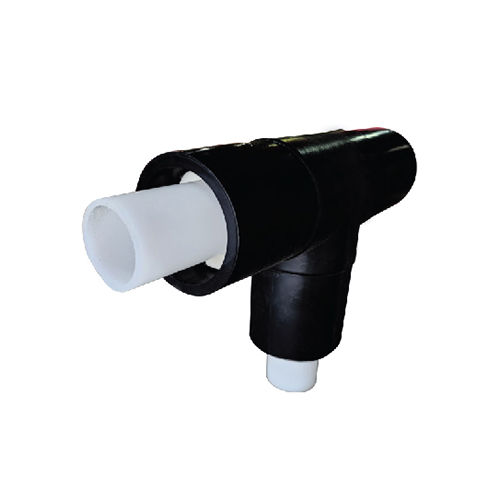
Tell us about your requirement

Price:
Quantity
Select Unit
- 50
- 100
- 200
- 250
- 500
- 1000+
Additional detail
Mobile number
Email

More Products in Specialty Piping System Category
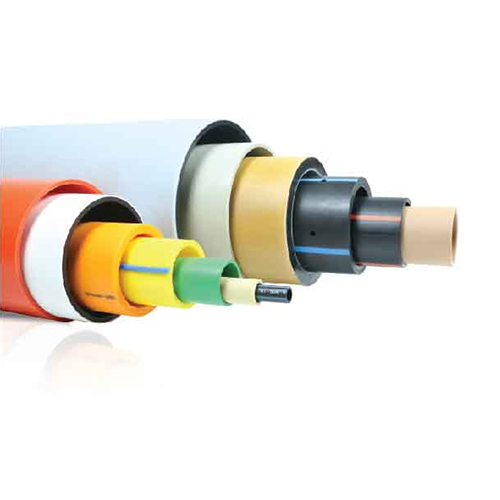
Liner Pipes
Price 100.0 INR / Piece
Minimum Order Quantity : 1000 Pieces
Corrosion Resistant : Yes
Shape : Cylindrical
Pipe Type : Liner Pipes
Usage : Fluid transportation in industrial setups
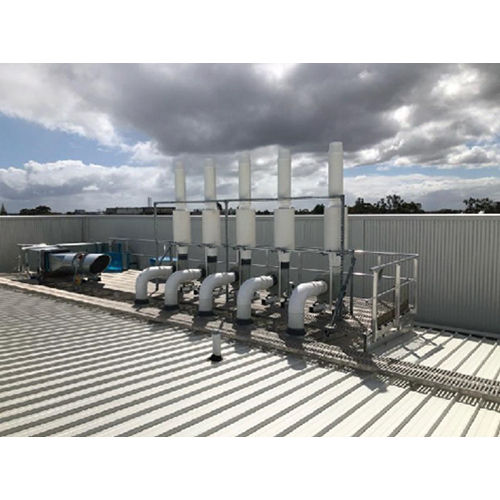
SanVent Ventilation System
Price 1000.0 INR / Number
Minimum Order Quantity : 10
Corrosion Resistant : Yes
Shape : Cylindrical
Pipe Type : Round Duct
Usage : Fresh air supply, exhaust extraction
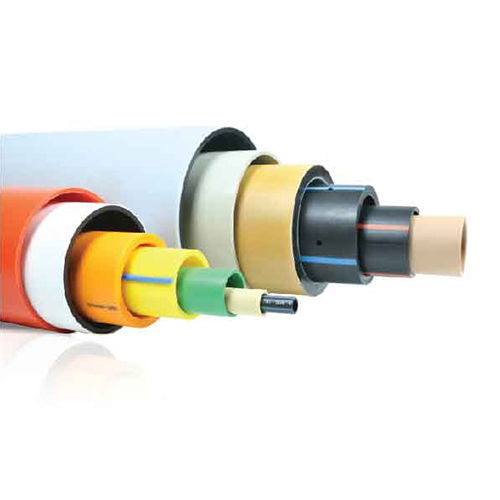
Multi Layer Pipes
Price 100.0 INR / Meter
Minimum Order Quantity : 1000
Corrosion Resistant : Yes
Shape : Round
Pipe Type : Multi Layer Pipe
Usage : Residential, commercial, and industrial piping systems
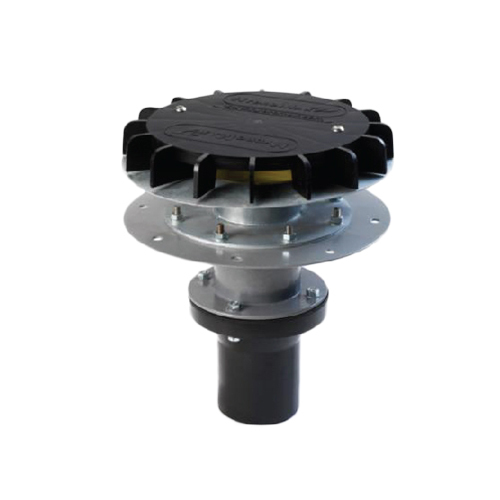
Siphonic Roof Drainage System
Price 1000.0 INR / Piece
Minimum Order Quantity : 1 Piece
Corrosion Resistant : Yes
Shape : Round
Pipe Type : HDPE
Usage : Plumbing & Structure Pipe

Contact Details 
SANGIR PLASTICS PVT. LTD.
GST : 24AABCS3737J1ZC
GST : 24AABCS3737J1ZC

- Survey No. - 146/p-2 and 114/p1, near Raymond Limited, Motiwada,Valsad - 396125, Gujarat, India
- Phone : 08045816055

- Mr. Vivek Adsule (Sr. Executive Exports)
- Mobile : 08045816055
- Send Inquiry
 Send Inquiry
 Send Inquiry
 Send SMS
 Call Me Free
Quick Links
Our Product

SANGIR PLASTICS PVT. LTD.
All Rights Reserved.(Terms of Use)
Developed and Managed by Infocom Network Private Limited.
Developed and Managed by Infocom Network Private Limited.

